For millions of international travelers, visiting the United States in 2026 is simpler than applying for a traditional visa — but only if they are citizens of countries included in the U.S. Visa Waiver Program (VWP). The program remains one of the most important pathways for short-term U.S. travel, allowing eligible visitors to enter for tourism or business without attending a visa interview or visiting a U.S. embassy.
However, visa-free does not mean paperwork-free. Understanding how the VWP works, which countries qualify, and what rules apply in 2026 is essential for a smooth and compliant journey.


What Is the U.S. Visa Waiver Program?
The Visa Waiver Program is administered by the U.S. Department of Homeland Security in partnership with the U.S. Department of State. It allows citizens of participating countries to travel to the United States for up to 90 days without obtaining a traditional visitor visa.
Permitted travel purposes include:
- Tourism and holidays
- Business meetings or conferences
- Short recreational or cultural courses
- Non-paid professional activities
Paid employment, long-term study, permanent residence, or stays beyond 90 days are not allowed under the VWP. Travelers seeking those purposes must apply for the appropriate visa.
ESTA: Mandatory Pre-Travel Authorization
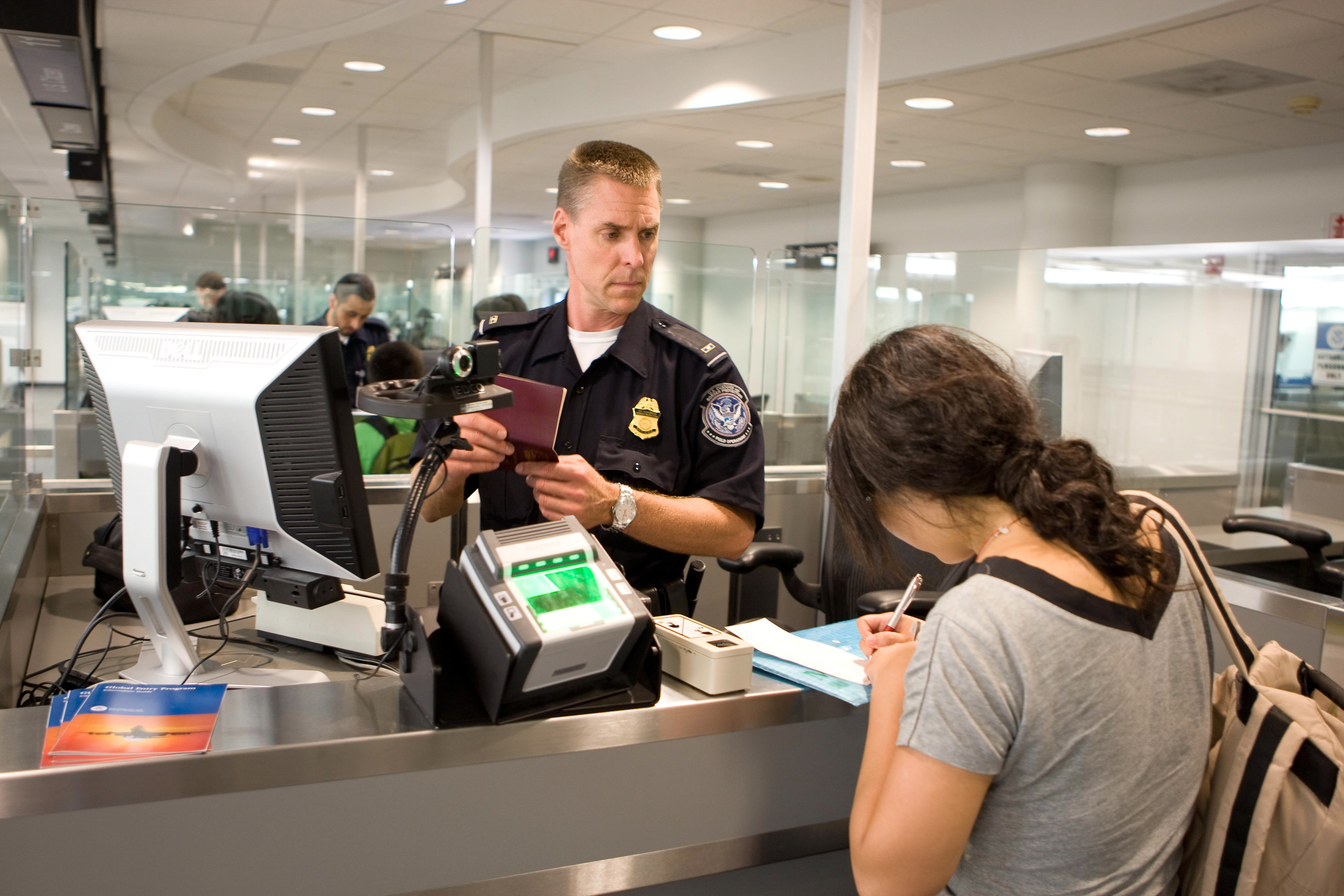
Although a visa is not required, all VWP travelers must obtain approval through the Electronic System for Travel Authorization (ESTA) before boarding a flight or ship to the U.S. ESTA is run by U.S. Customs and Border Protection and acts as a security screening process.
Key ESTA facts for 2026:
- Applications are submitted online
- Many approvals are granted within minutes
- ESTA is generally valid for two years or until passport expiry
- Each U.S. visit must not exceed 90 days
- Approval does not guarantee entry; final admission is decided at the border
Travelers with prior immigration violations, certain criminal records, or travel to restricted countries may be denied ESTA and required to apply for a visa instead.
Visa Waiver Program Eligible Countries in 2026
As of 2026, approximately 41–42 countries participate in the U.S. Visa Waiver Program. These nations meet strict criteria related to passport security, information sharing, low visa refusal rates, and reciprocal travel arrangements.
Europe
Andorra, Austria, Belgium, Croatia, Czech Republic, Denmark, Estonia, Finland, France, Germany, Greece, Hungary, Iceland, Ireland, Italy, Latvia, Liechtenstein, Lithuania, Luxembourg, Malta, Monaco, Netherlands, Norway, Poland, Portugal, San Marino, Slovakia, Slovenia, Spain, Sweden, Switzerland, United Kingdom.
Asia-Pacific and Middle East
Australia, Brunei, Japan, New Zealand, Singapore, South Korea, Taiwan, Israel, Qatar.
Americas
Chile.
Citizens of these countries can travel visa-free under the VWP, provided they meet ESTA and passport requirements.
Passport Requirements You Must Meet
To qualify for visa-free travel under the VWP, travelers must hold a valid e-Passport. This is a passport with an embedded electronic chip containing biometric data.
Other passport rules include:
- Passport must be valid for the entire stay
- Emergency or temporary passports may not qualify
- Some dual nationals may face additional restrictions
Failure to meet passport requirements can result in denied boarding or refusal of entry.
Why the Visa Waiver Program Matters
The VWP plays a major role in global travel and international cooperation. For travelers, it offers:
- Faster and simpler travel planning
- No visa interviews or embassy visits
- Lower costs compared with visa processing
For the U.S., the program supports tourism, business exchange, and international relations while maintaining security through advance screening and data-sharing agreements.
The program is widely seen as a balance between travel convenience and border security.
Who Is Not Eligible for the VWP?
Despite its broad reach, many countries are not included in the Visa Waiver Program. Citizens of nations such as India, China, Brazil, Nigeria, and South Africa must still apply for traditional U.S. visas for all visits.
Even citizens of VWP countries may be ineligible if they:
- Have overstayed previous U.S. visits
- Were denied a U.S. visa in the past
- Traveled to certain restricted countries
- Have unresolved immigration or security issues
In these cases, a visa application is required.
Policy Trends Affecting Travel in 2026
While the VWP itself remains stable, broader U.S. immigration and travel policies continue to evolve. Increased focus on data security, traveler screening, and information-sharing has shaped discussions around:
- Additional ESTA data requirements
- Enhanced background screening
- Stricter enforcement at ports of entry
These changes generally affect longer-term visas more than short-term VWP travel, but travelers should stay informed before departure.
How to Prepare for VWP Travel in 2026
If you plan to visit the United States under the Visa Waiver Program:
- Confirm your country’s eligibility
- Ensure your passport is an e-Passport
- Apply for ESTA at least 72 hours before departure
- Book return or onward travel within 90 days
- Be prepared to explain your travel purpose at entry
If your ESTA is denied or your travel plans exceed VWP limits, applying for a visitor visa is the correct alternative.
Conclusion
The U.S. Visa Waiver Program in 2026 continues to provide a streamlined and efficient path for short-term travel to the United States for citizens of around 41–42 participating countries. By pairing visa-free access with mandatory ESTA screening, the program offers convenience while maintaining strong border security standards.